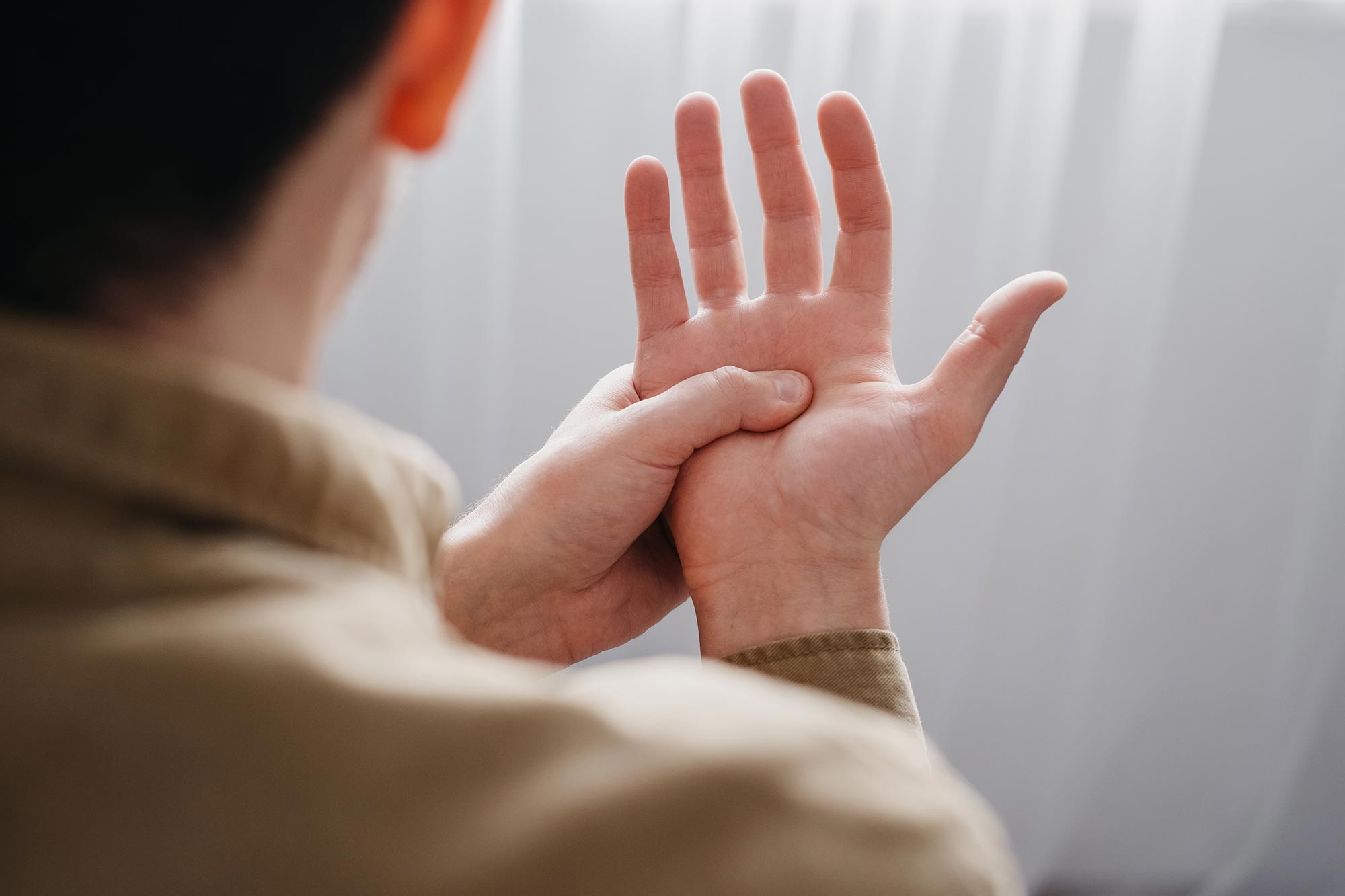
Exercise might be the closest thing we have to medicine for Parkinson’s disease. Regular aerobic movement cuts inflammation, protects the brain, and could actually slow the disease down. It isn’t a cure. We don’t have those yet. But it’s the best tool on the table.
Merrill Landers knows this well. As interim dean at UNLV’s School of Integrated Health and a physical therapist for 30 years, he’s seen the stats.
“Exercise may be more than just general health,” Landers said. “It reduces brain inflammation at the root of disease.”
Parkinson’s usually strikes between ages 55 and 70. It hijacks movement, sleep, and thought. Sometimes the bladder. If you’re over 60 and your nose goes numb or your hands twitch slightly? Don’t ignore it. Check it out.
Brain fertilizer
Landers calls exercise “fertilizer for the brains.” It boosts BDNF (brain-derived neurotrophic factor). This protein helps neurons survive. It makes them grow.
- BDNF lowers inflammation by sending anti-inflammatory signals from muscles.
- Too much inflammation kills healthy tissue.
- Aerobic exercise lowers that baseline damage.
Landers works with patients to find the right intensity. Not a jog. Not a sprint. Something in the middle.
“You want to sustain it,” he says. If it’s too hard, you quit too fast. The goal? Speak in short sentences only. No full paragraphs. This hits the 60 to 75 percent max heart rate zone. That’s where BDNF spikes.
Try walking. Cycling. Dancing. Anything that gets the heart pumping.
More than just cardio
Strength training and boxing help too. Brach Poston studies noninvasive brain stimulation. He also notes how complex movement helps motor skills.
“Boxing challenges balance,” Poston explains. “You have to stand up. It has intervals. It’s aerobic.”
Medication like Levodopa increases dopamine. But for most people it takes six years for symptoms to become severe. By then? The brain has lost ground.
“Bringing more attention to Parkinsons is a good thing. It leads to more funding that could change lives,” Landers says.
Michael J. Fox proved the power of attention. Diagnosed at 29? He fought the disease publicly. His foundation fuels research today. He deals with dyskinesias now. The jerky movements are brutal. But he keeps going.
What the numbers say
Parkinsons affects about 1.1 million people in America. Every year? Add another 90,000 cases.
- Most diagnoses happen after age 55.
- Only 1 percent of seniors get it, but it grows faster than other disorders.
- 10 to 20 percent are diagnosed early (under 50).
- Pre-40 diagnosis is rare (2 percent).
Young patients live with longer disease courses. They risk long-term complications more than others.
Warning signs start early
Forget the tremors for a minute. They come last. The real warning signs hide earlier.
- Constipation.
- Reduced smell (anosmia). 96 percent of new patients lose it.
- REM sleep disorder. Acting out dreams while asleep.
- Fatigue and depression.
By the time shaking starts, the brain is missing 70 percent of dopamine neurons. Parkinson’s targets motor function. Alzheimer’s attacks memory. Two different roads.
Exercise helps slow the first road. Is that enough? We aren’t sure.