Old rovers got stuck. New ones won’t. Or at least, they better not if we want to actually get anywhere.
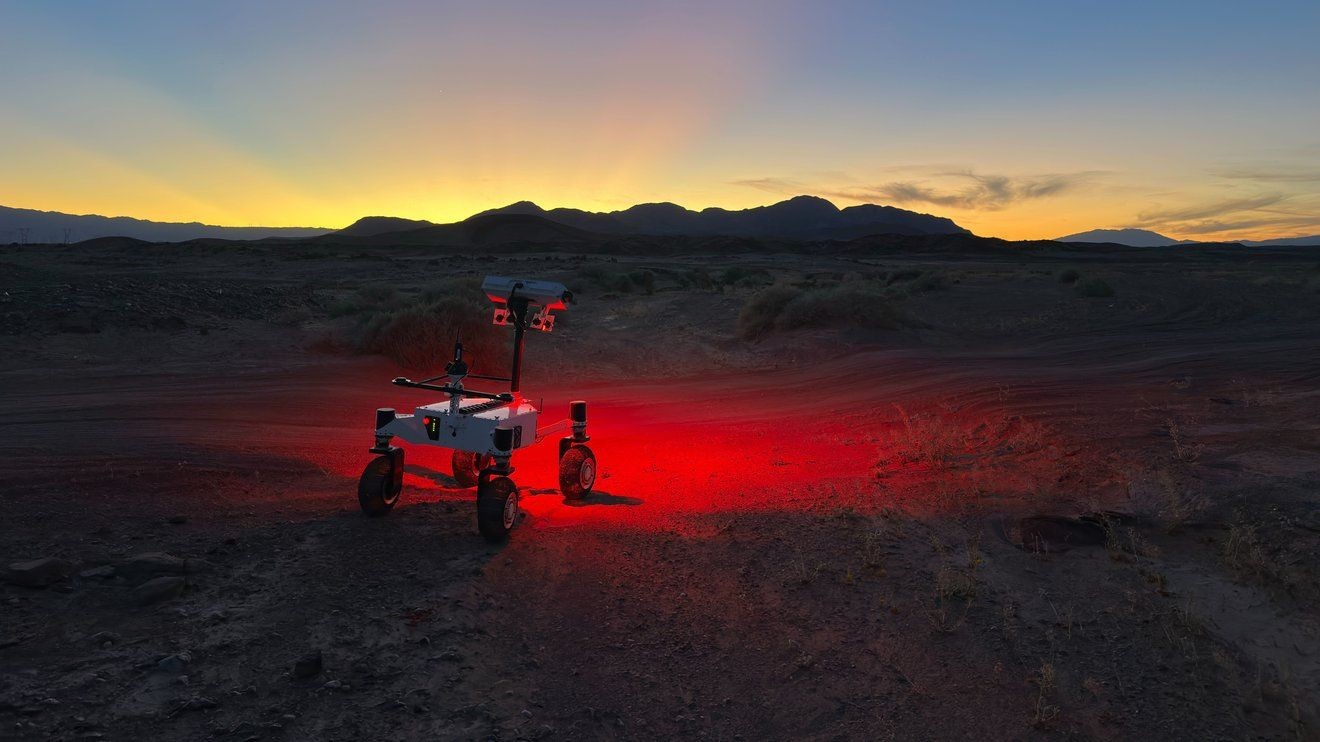
NASA’s Jet Propulsion Lab just dropped ERNEST into the Southern California desert. Exploration Rover for Navigating Extreme SloPED Terrain, if you want the full title, which nobody really does. It covered 16 miles over seven days. Almost entirely on its own.
Seventeen hours of actual driving. The engineers watched. They barely touched a button.
“With minimal intervention.”
That’s the goal. We want machines that think for themselves. Terrain that used to be a dead end should be just another Tuesday. This isn’t just about Mars, either. The moon is next. Or maybe both, depending on which timeline you’re looking at.
It started in 2022. Internal funding, low profile. Now it’s wrapped up in NASA’s broader science strategy. The real difference isn’t just the software. It’s the body.
ERNEST doesn’t have the classic “rocker-bogie” system. You know, the old pivot points that distributed weight passively? That’s what Perseverance uses. ERNEST uses active joints. Gimbal fronts. It squirms. It walks. It climbs.
How do you teach a robot to do that?
Simulations. Thousands of hours of virtual data crunched into a few days. Then the obstacle course at JPL. Then the desert. Reinforcement learning in a box before hitting the real world. It makes sense, really. Why crash the physical prototype when you can crash the digital twin?
Past rovers are slow. Tortoise speed, essentially. Perseverance has been on Mars for five years and just crossed its own marathon distance. That’s it.
ERNEST hits 0.6 mph. Sounds slow. It is. But compared to what we have on the surface right now, it’s fast. It can steer each wheel independently. Move side to side. Not just forward and backward like a lawnmower on steroids.
They tested it in the dark, too. Low light conditions mimicking the moon. Because night isn’t an option when you’re exploring another world.
Issa Nesjas called it “refining mobility hardware and autonomy.” A dry way to say they are building something that might finally cover ground worth the trip.
The question remains. Will it work on the Moon? Will it hold up on Mars?
Engineers think ERNEST is just the prototype. A test model for something bigger. Something faster.
Maybe. Or maybe it’ll get stuck in a particularly stubborn patch of sand anyway.
The desert doesn’t care about your AI.