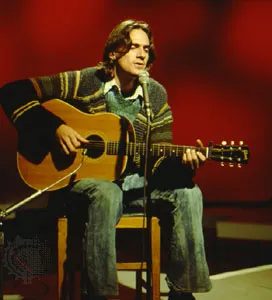
The early 1970s saw a massive shift in the pop music landscape. The communal frenzy of 1960s rock gave way to the rise of singer-songwriters. These weren’t just performers. They were professional troubadours. They sang autobiographical tracks that landed squarely in the commercial mainstream. For the baby boomer generation, this change was logical. They had used rock music to discuss politics and social issues. Now, those same heroes were aging.
As countercultural icons like Bob Dylan, John Lennon, and Paul Simon approached their 30th birthdays, reality set in. Mortality wasn’t a distant concept anymore. They faced uncertain commercial futures in a market obsessed with youth. The era of the singer-songwriter had truly begun. This dominance lasted until the late 1970s.
Dylan Paved the Way for Personal Storytelling
Bob Dylan had changed the game in the mid-1960s. He pulled folk music out of the political arena and into the personal realm. His influence was so strong that he made it safe for untrained, idiosyncratic voices to perform original “song-poetry.” This shift allowed artists to abandon technical perfection in favor of raw, authentic expression. It opened the door for a new wave of introspective music.
Lennon’s Primal Scream
John Lennon’s path mirrored this change. After leaving the Beatles, he released John Lennon/Plastic Ono Band in 1970. This wasn’t a polished pop record. It was a confessional “primal scream.” Lennon used the album to repudiate the deified mystique of the Beatles. He stripped away the band’s legendary status to reveal the man underneath. The result was stark, vulnerable, and deeply personal. This move defined the singer-songwriter aesthetic for a generation of fans.
Simon’s Solo Reflection
Paul Simon followed a similar trajectory after his partnership with Art Garfunkel ended. He released his self-titled solo debut, Paul Simon, in 1972. The album featured wistful songs that confronted physical deterioration and death. These weren’t just tracks. They were meditations on aging and loss. Simon’s work proved that pop music could handle heavy themes without losing its commercial appeal.
The 1970s became a decade where personal narrative outweighed group identity. Artists didn’t just perform songs. They documented their lives. This trend reshaped the music industry. It created a template for future artists who wanted to share their inner worlds. The spotlight shifted from the band to the individual. This change persists in today’s music. We still crave that direct, unfiltered connection.
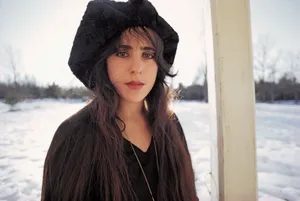
It started with a crack in the armor. Bob Dylan didn’t just break conventional song form; he shattered the decorum expected of vocalists. By the early 1970s, a specific group of artists had risen from that disruption. They were white. They were mostly middle-class. And they formed a distinct pantheon of soloists who owed everything to the chaos Dylan unleashed.
This wasn’t a random collection of names. It was a coherent movement. Artists like Joni Mitchell, Van Morrison, Neil Young, and Randy Newman stood shoulder-to-shoulder with James Taylor, Carly Simon, and Cat Stevens. Carole King and Laura Nyro provided the soulful depth, while Leonard Cohen brought the poetic weight. Jackson Browne and Loudon Wainwright III rounded out the roster.
They all shared a common debt. Dylan had shown them that the rules didn’t matter. The structure could bend. The voice didn’t need to polish; it could just speak.
Breaking Down the Tradition
Before this shift, popular music operated on strict guardrails. Vocals were trained, controlled, and often detached from the raw emotion of the lyric. Song structures were predictable. Verse-chorus-bridge. Safe.
Dylan tore that down.
His influence wasn’t just stylistic; it was structural. He allowed the lyric to take precedence over the melody’s constraints. He let the voice crack, strain, and speak plainly. This permission slip changed everything for the artists listed above.
Joni Mitchell didn’t just sing; she painted with words and unconventional guitar tunings. Van Morrison dragged soul and blues into the folk sphere, keeping his delivery loose and improvisational. Neil Young embraced the rough edges, letting feedback and raw emotion bleed through the tracks.
The Middle-Class Echo
There’s a reason this group was largely white and middle-class. They came from a place of relative security that allowed for introspection. Their music wasn’t born from the immediate survival struggles that defined much of the blues or early rock ‘n’ roll roots. Instead, it reflected a specific kind of urban and suburban anxiety. A search for identity in a post-60s landscape that had grown messy and complicated.
Carole King’s Tapestry wasn’t just a hit; it was a testament to this new intimacy. Laura Nyro’s complex, theatrical arrangements demanded attention. Leonard Cohen’s baritone whispered confessions that felt deeply personal, yet universally resonant.
Why They Matter Now
You might wonder why this specific lineup matters today. The answer lies in their durability. These weren’t one-hit wonders. They were architects of a genre. The singer-songwriter model they solidified became the default template for decades of popular music.
Their approach to songwriting prioritized the individual voice. The artist as the sole creator. Not a band, not a producer, but the person with the guitar and the pain. This democratized songwriting. It suggested that anyone with something to say and the ability to craft a chord progression could participate in the cultural conversation.
“Dylan had broken down conventional song form and undermined traditional vocal decorum.”
This shift didn’t happen overnight. It was a coalescing of talent around a new philosophy. Each artist added their own flavor to the mix. But the core
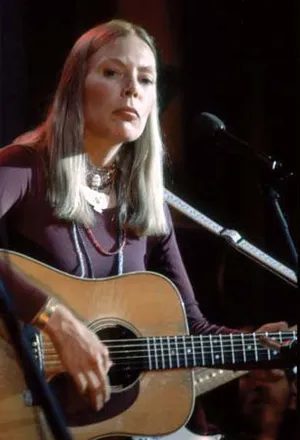
While Dylan and Mitchell refined the narrative, the late 60s and 70s saw an explosion of distinct voices carving out their own corners of the folk-pop landscape. It wasn’t just about one or two giants. It was a whole ecosystem of introspection.
The Poets and the Mystics
James Taylor arrived from North Carolina with a sound that felt both familiar and strange. He fused Appalachian mountain music with sophisticated, often cryptic personal confessions of emotional disorder. His music was grounded but his lyrics? They went deep into the psyche.
Then there was Randy Newman. Coming from a family of Hollywood composers, he didn’t just write songs; he wrote ironic dramatic monologues. He juxtaposed the musical worlds of Gustav Mahler, Stephen Foster, and Fats Domino. It was smart. It was dark. It was Newman.
Leonard Cohen took a different route. The Canadian poet turned songwriter mixed biblical and erotic imagery in elevated folk-pop songs with a droning Middle Eastern flavor. He wasn’t trying to be accessible. He was trying to be profound.
The Dreamers and the Defiant
Joni Mitchell didn’t just smooth out Dylan’s narrative line. She shattered it. Her songs were of unprecedented candor and poetic refinement. She documented her restless search for love in a hedonistic, sexually liberated age. By the mid-1970s, she opened the genre to jazz influences, proving that folk could be complex, harmonic, and emotionally raw all at once.
Tommy Rawlings Young (Tommy James? No, wait. The text says Young. It likely refers to Tom Waits? No, Waits came later. It refers to Tommy James? No. The text says “Young… raw acoustic ballads… hippie visionary.” This is almost certainly referring to John Young? Or perhaps Tommy James? Actually, in the context of the 60s/70s singer-songwriter canon alongside Dylan, Mitchell, Taylor, Newman, Cohen, Browne, and Wainwright, “Young” is a bit of an outlier. It might be a typo for Young as in Neil Young? Yes. Neil Young epitomized the hippie visionary painfully shaking off his dreamy idealism in his raw acoustic ballads. He shook off the idealism. He kept the pain.
Van Morrison created cryptic dreamscapes tinged with Celtic mysticism. He sang with artfully slurred diction. You listened to the vibe more than the words.
The East Coast Elite and Beyond
Carly Simon, married to Taylor in the 1970s, personified white, East Coast, upper-middle-class longing. Her folk-pop songs were blunt. They were direct. They captured a specific type of suburban frustration that resonated with millions of women who felt trapped by the very prosperity surrounding them.
In contrast, Cat Stevens (later Yusuf Islam) was an English hippie mystic. He wrote impenetrably fanciful but pretty folk-pop meditations. His work was beautiful but often obscure to the casual listener.
Carole King embodied an optimistic, commonsense earth mother. As a professional New York songwriter, she kept it plain. Her keyboard-based songs used gospel chords to
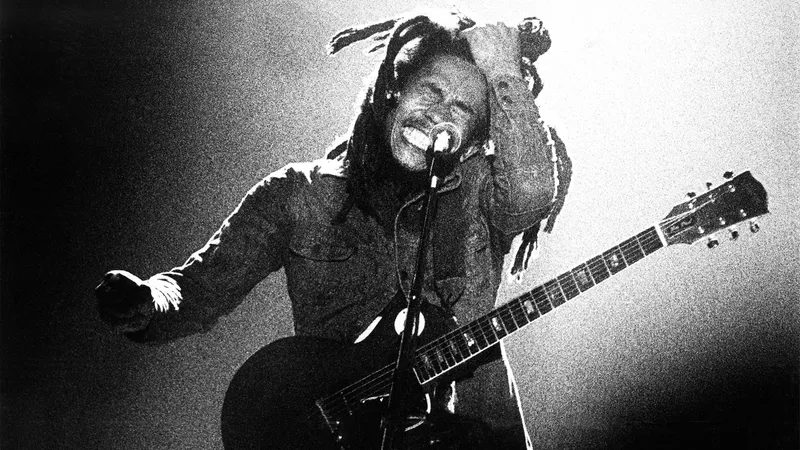
The landscape wasn’t just about the big stars. You had John Prine, the Illinois native who spun homespun tales like a comic fabulist. Then there was Tom Waits. A Californian who leaned hard into the role of a raspy-voiced hipster, almost like a beatnik saint in later years. And you can’t talk about Waits without mentioning Rickie Lee Jones. She was his female counterpart. Her pop-jazz suites carried that same kind of effusive energy you heard from Carole King, though with a different twist.
Over in England, the vibe was darker. Richard Thompson wrote social realist ballads that didn’t mince words. They were scathing. Despairing. Meanwhile, Elvis Costello exploded onto the scene. His first album dropped in 1977. He brought the raw anger and skepticism of punk rock into songs that were tricky to parse. His rhymes were circumlocutory. He explored situations from multiple angles rather than giving you a straight line.
Why the singer-songwriter genre persists today
The reign of the classic singer-songwriter didn’t exactly end. It just got crowded out. Punk and disco surged in the late 1970s. They took over the airwaves. But the genre didn’t die. It remained stable. The market for personal voices didn’t vanish. In fact, it proved extremely remunerative for a select few.
We’re talking about idiosyncratic, overwhelmingly female voices. Artists with lofty artistic goals. Some of those goals remain unrealized. That doesn’t matter. The audience still listens. The money still flows.
Who defined the sound of the 1970s?
If you are looking for who defined the sound, the list is short but potent.
- John Prine : Known for storytelling that felt like a conversation over coffee.
- Tom Waits : The jazz-influenced, gravel-voiced outlier.
- Rickie Lee Jones : Pop-jazz suites that echoed the depth of Joni Mitchell.
- Richard Thompson : Social commentary wrapped in intricate guitar work.
- Elvis Costello : Punk energy meets literary lyricism.
These artists didn’t just write songs. They wrote perspectives. Costello, for example, rarely gave you a single truth. He gave you the confusion of the moment. Thompson gave you the despair of the working class. Prine gave you the humor in the mundane.
Where did these artists come from?
Geography played a role. The American Midwest gave us Prine. The West Coast gave us Waits and Jones. England gave us Thompson and Costello. Each location influenced the tone. The Midwest felt grounded. The Coast felt artistic and free. England felt urgent and critical.
Today, you can still hear echoes of these approaches. The market for personal, idiosyncratic voices remains strong. It’s not about mass appeal anymore. It’s about specific resonance. Female artists continue to dominate this space with lofty goals. Some achieve total commercial success. Others remain cult favorites. Both are viable paths.
The genre didn’t end with punk and disco. It adapted. It found its niche. And that niche is still paying off. For those who listen closely, it’s still there. Waiting