You know that feeling. The scratchy violins spike. Shower scene. The knife. Panic. Or maybe it’s a deep, throbbing cello that hints at something powerful lurking just beneath the surface. Jaws didn’t need to show the shark for you to feel the dread. This is the power of a film composer.
In movies like Psycho (1960) and Jaws (1975), the score doesn’t just accompany the action. It becomes the emotional backbone. It blends so seamlessly into the dialogue and movement that you hardly notice it. However, those motifs stick. They last beyond the end credits. They bring back memories of epic missions in Star Wars, the whimsical charm of Harry Potter or the heavy stakes of Lord of the Rings.
Danny Elfman, Howard Shore and John Williams are the architects of these feelings. But behind this seamless magic lies the grind. It’s not just inspiration. It’s logistics.
The Reality Behind the Score
Making a film score is a logistical nightmare disguised as art. The composer starts a conversation with the director. They have to agree on the sonic concept. Then comes the writing. The music should match the tone of certain scenes. And it has to be the right length. Not a second too long. Not a second too short.
Once the notes are on the page, the real work begins. Musicians must be hired. The studios must be reserved. Sessions must be recorded. And despite all this, the deadline is getting closer and closer. Always.
What does a film composer actually do?
So how does it feel to take on such a responsibility? How do you even get there? And if you asked the pros, what would they say is a good result?
Variety magazine recently asked 12 leading composers to name their favorite movie scores. Their choices reveal a lot about what resonates in the industry.
Here is what the pros picked:
- “Once Upon a Time in the West” by Ennio Morricone
- “ET”, “Star Wars” and “Jurassic Park” John Williams
- “Psycho” by Bernard Herrmann
- “Poltergeist” and “The Omen” by Jerry Goldsmith
- “The Lord of the Rings” by Howard Shore
These aren’t just popular tunes. They are case studies of how music directs attention and manipulates emotions. But to understand why these scores work, you have to look at the mechanics of the job.

Scoring a film is not a one-size-fits-all task. The work varies greatly depending on the project. One day you write a sweeping, dramatic orchestral underscore; The next moment you’re working with a tiny ensemble and a completely different tonal palette. A film composer’s job is basically to create the music that drives the film. But the mechanisms behind this magic are surprisingly bureaucratic and collaborative.
The Spotting Session and the Score
The process usually begins after the filming of the film and in the editing room. The composer meets with the director and producers to figure out what the music should do. This leads to a spotting session.
Here the composer, director and key people sit together and watch the film from start to finish. You stop at certain moments to decide:
- Where does the music start?
- Where does it stop?
- Why is it there?
- What should it sound like?
Once these decisions are made, the actual writing begins. A score is a collection of all these musical parts. A feature film score is usually about half the length of the film itself, so if you’re scoring a 100-minute film, you’ll need to write, arrange, and produce about 50 minutes of original music.
Before transmitting the music, the composer prepares the music for the musicians. On large studio projects, this can mean giving rough notes and sketches to arrangers and copyists to complete a musicians’ parts.
Who else is in the room?
In smaller or independent films, the composer has more roles. You could hire the musicians yourself. You could lead them. You might even jump into editing bay to help mix up the final sheet music.
In larger productions, however, the workload is distributed among a specialized team. Here’s who else you’ll be working with:
Music Editor
They mix and synchronize the music with the picture. They often oversee the entire scoring process, making sure the audio perfectly matches the visual cues.
The orchestrator
When the composer writes a simple piano sketch, the orchestra translates it into full parts for orchestra, band, choir or soloists. You can also transpose music to different instruments and conduct it during recording sessions.
Contractor
This person hires musicians and handles paperwork, including union contracts through the American Federation of Musicians. You don’t want to be the one calling local players to negotiate rates.
The film arranger
If the composer has not yet created a complete score for the musicians, the arranger intervenes. He follows the composer’s instructions and creates the final sheet music.
Film conductor
They rehearse the musicians and conduct the session. During recording, they take instructions from the composer and producer and guide the players to make changes on the fly.
Composer’s Assistant
An entry-level job for someone who cares about the nitty-gritty details. This gives the composer the freedom to focus entirely on the creative side.
Sound Designer
They create synthesized music and sound effects that sit alongside the live score. It is a mix of organic and digital texture.
The reality of work
The work is as much about logistics as it is about melody. You have to deal with union rules, technical synchronization, and the subjective taste of directors who may not speak the language of music.
It’s a high-pressure environment. One wrong cue and the emotional arc of the scene collapses. Next? A standing ovation at a festival because the underscore made the audience cry for three straight minutes.
What role do you think is the most overlooked in film scoring process? Conductor? Assistant? Or maybe a contractor who ensures everyone gets paid?
The Indie Shift
When the studio system was the undisputed king of Hollywood, being a film scorer was essentially a corporate job. You were an employee. Expect to move from grand orchestral romance to gritty jazz noir. And creating a soundtrack can actually take months, and often you don’t get into a movie until you have the first edited cut in front of you.
Those days are gone.
Most film composers today work as freelancers. The timeline has been shortened. Creating and recording an hour of music can take six weeks instead of months. Digital technology and temporary tracks have turned filming, editing and composition into a chaotic overlap.
Of course, technology has made songwriting easier. No more manually copying every instrument part from a large score. But as in other industries, labor-saving tools increase the pressure for speed.
To survive, you must become a creative pragmatist. You need solid musical talent, but you also need to be skilled in audio mixing techniques. Take Cody Westheimer for example. His studio is located in a Los Angeles guesthouse and his installation is based on:
- Digital Performer for Macintosh G5
- 3 computers with Gigastudio
- some synthesizers
- Millenia preamps
- Audio Technica microphones
- Panasonic digital mixer
The Business of Being Independent
作曲家の数は音楽の仕事の数よりもはるかに多いのです。 つまり、一人で外出するときは、ただメモを書くだけではありません。 あなたはビジネスを経営しています。
ロバート・トテラスは独立した作曲家で、時間の半分を音楽制作に費やし、残りの半分を仕事に費やしています。 彼にとってのライフラインはインターネットと、新旧の連絡先を厳選したリストです。
この業界のはしごを登るには、時間、つながり、柔軟性が必要です。 長編映画のスコアリングを始めるわけではありません。 ウェストハイマーは南カリフォルニア大学の学生映画でキャリアをスタートしました。 彼は現在、ビデオゲーム、教育番組、コマーシャル、短編映画、予告編、ドキュメンタリーの音楽を担当しています。
Does film composing sound like the career for you? If so, you need to know where to start.
Becoming a Film Composer
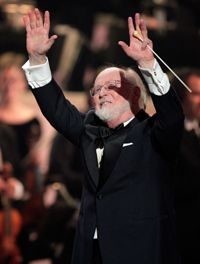
No Single Path to the Conductor’s Chair
You don’t need a specific roadmap to become a movie composer. The myth of the linear career path is just that—a myth. As revealed by responses from twelve film composers to Variety, most didn’t wait until college to realize they wanted to write music for movies. They were inspired by the screen long before high school ended. The common thread? A deep love for cinema and the tools to translate it into sound.
But the journey itself? That varies wildly.
Take John Williams. Five-time Oscar winner. The man behind Star Wars, Indiana Jones, and Harry Potter. He didn’t stumble into film by accident. He studied piano at Juilliard, then spent years playing in New York clubs as a jazz pianist. His entry into cinema came through mentorship, working alongside legends like Bernard Herrmann.
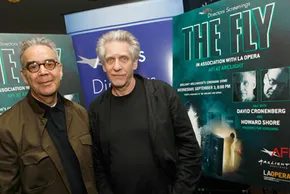
Then there’s Howard Shore. Berklee College of Music graduate. Jazz bassist with the group Lighthouse. Musical director for Saturday Night Live. His film career didn’t start with a blockbuster. It started with a collaboration with director David Cronenberg that has endured for twelve films. He won Oscars for The Lord of the Rings, but the foundation was built on artistic partnerships, not just technical skill.
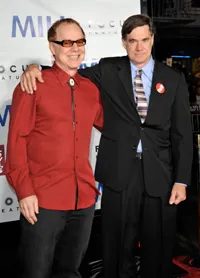
Danny Elfman offers a third route. Self-taught. Leader of the rock band Oingo Boingo. He scored Tim Burton’s films for years, plus Batman Returns, Spider-Man, and Men in Black. No conservatory. Just talent, a band, and a distinct voice that directors couldn’t ignore.
If you’re serious about following in their footsteps, here is what actually matters in the industry right now.
Where to Learn Film Scoring
You need credentials, but not just any credentials. A degree in music or a related entertainment field is the standard entry ticket. But the school matters.
Look for programs with strong film ties. The University of Southern California (USC) and New York University (NYU) are top-tier choices because they integrate film scoring into a broader film curriculum. Berklee College of Music is another powerhouse, specifically for its dedicated film scoring major.
Why does this matter? It’s not just about learning theory. It’s about access. You learn the technical aspects of composing for picture. More importantly, you meet student directors. These are your first collaborators. They become your first clients. They become your network.
Building a Portfolio That Gets Heard
You will likely not start on feature films. That’s rare. You start small. Commercials. Student films. Trailers. Independent projects.
This is where you build your range. Diverse types of films and varied musical styles create a broader portfolio. Directors want to see that you can adapt. A drama needs one thing. A comedy needs another. A horror trailer needs something else entirely.
Your portfolio is your resume. But it’s also your demo reel. Directors and producers are busy. They won’t listen to more than 20 minutes of sample work. Create themed demo CDs or digital packs. Send the horror pack to a horror director. Send the comedy pack to a comedy producer.
But remember this harsh truth: They are more interested in your film credits than your music. If you have a name on a poster, even a small one, that opens doors that music alone might not.
Networking Is Non-Negotiable
Make connections. Seriously. You need to connect with directors and key industry players who can offer work or, at the very least, know someone who can.
Director-composer relationships are often long-term. Many directors stick with the same composer for their entire career. Be that composer. Build relationships early. Attend screenings. Go to industry mixers. Be the person directors want to call when they have a scene that isn’t working.
Location, Location, Location
The internet makes remote work possible. But most film composers still need to be in the same city as the directors and editors they work with.
Where are the jobs? Southern California and New York.
These hubs aren’t just convenient; they’re essential for the collaborative nature of film scoring. You need to be in the room when the picture changes. You need to be available for last-minute scoring sessions. You need to be part of the ecosystem.
The Reality of the Industry
It’s persistent. It’s tough. It requires talent, education, contacts, and a significant amount of luck.
But if you can make it, you get to do something unique. You get to create the themes that linger long after the credits roll. You get to define how an audience feels for two hours.
That’s the job.
Sources & Further Reading
For more insights into the mechanics of this industry, check out these resources:
- Film Music Network
- Film Music Magazine
- Berklee College of Music : Careers in Film Scoring
- Film Score Monthly : Frequently Asked Questions
- BMI : Danny Elfman Bio
- Edwin Wendler : Advice for Aspiring Composers
- Variety : “What Made You Want to Be a Composer?” (2008)
- Associated Content : Interview with James Guymon
- Hitsquad Musician Network : Interview with Cody Westheimer
- IMDb : Jerry Goldsmith Awards
- Book : On the Track by Fred Karlin and Rayburn Wright