The old fairy tale holds up. Rumpelstiltskin.
You know the rule. Find the true name, you get the power. Researchers in AI, medicine, and climate change ignore this at their own risk. It sounds mystical, sure. But names shape perception. They always have.
Look at “artificial intelligence”. A terrifying, grandiose label for what is mostly just statistics doing its thing. “Machine learning” is accurate, boring, and safe. Nobody panics.
AI creates drama. Unnecessary drama.
Stigma kills, too. That is why the WHO acts fast. Wuhan coronavirus? Stigmatizing, wrong. So it became covid-19. Monkeypox carried similar baggage, renamed to mpox in 2022 to strip away the judgment.
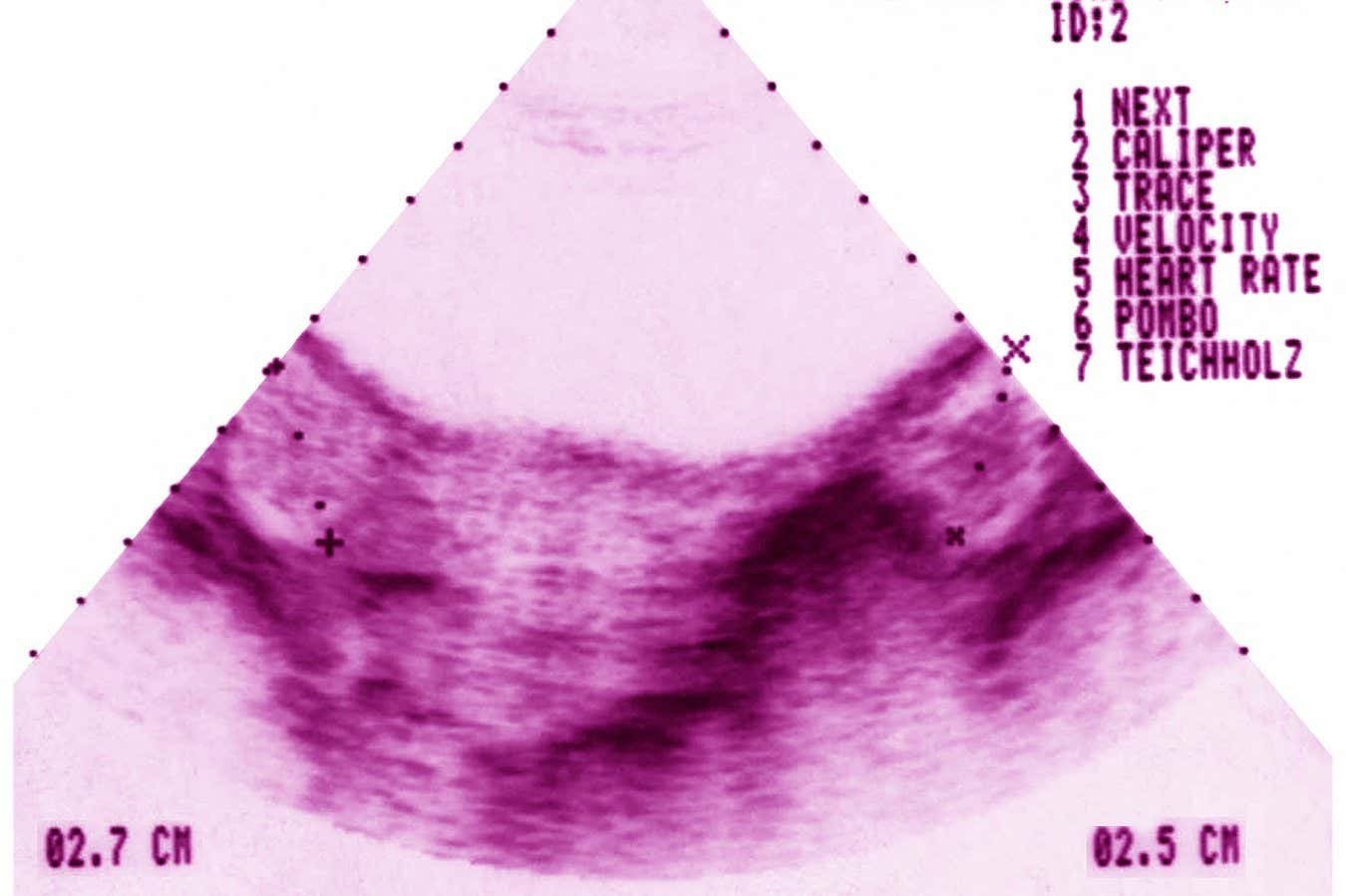
Science corrects itself, eventually. Polycystic ovary syndrome was never quite right. It wasn’t just ovaries, or just cysts. Now it’s polyendocrine metabolic ovarian syndrome. A mouthful? Yes. Accurate? Finally.
But not every fix sticks.
“Greenhouse effect.” “Global warming.” Good names for a while, until the planet stopped being just hot and started being broken. So we shifted to “climate change.” A broader net, capturing floods and fires alike.
“Net zero”?
That term broke. Completely. What started as a specific technical threshold for emissions became a vague target for political opponents. Now it just means “that annoying environmental policy you disagree with.” Meaningless noise.
So what actually works?
A name needs a clear picture in your head. Artificial Intelligence wins over machine learning because you can visualize the AI, the robot, the mind. Authority helps—people trust the WHO to rebrand pandemics.
But mostly? You just need to be memorable.
Is anything more unforgettable than Rumpelstiltskin? It trips off the tongue. It stays in the ear.
Some new terms are clunky. They fail because they sound like paperwork, not concepts. Science needs poetry, even when it deals with death.
Otherwise we’re just shouting into the void, and no one knows what we’re calling